
HOW DID IT START?
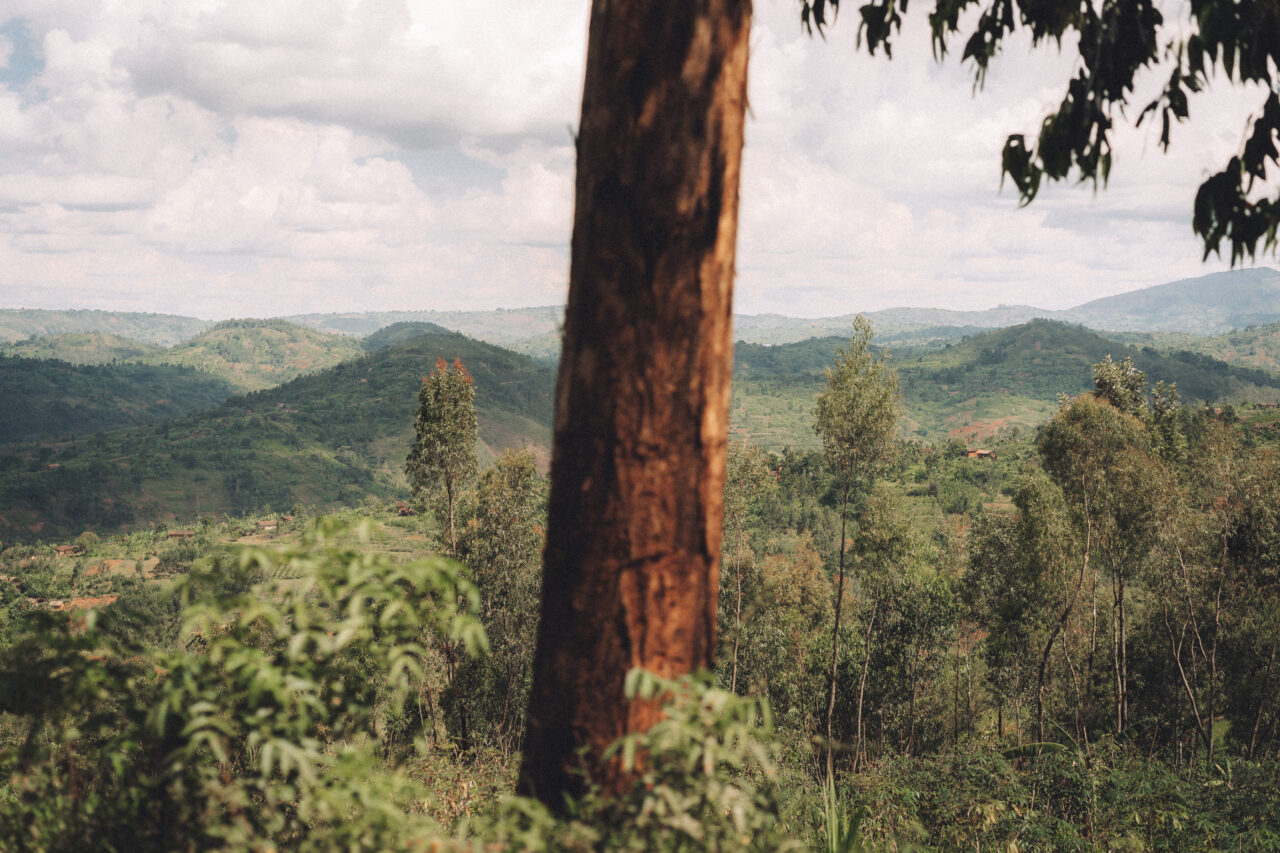
There is an undeniable connection between coffee growers in Burundi, the health of their soil, and the coffee we drink. We’ve been dreaming about an indigenous tree reforestation project in Burundi for the last couple of years. For a long time, we didn’t know what it would look like. All we knew is what we saw: a scarcity of indigenous trees, acidic eroding soils, and not nearly enough shade for the changing climate.
The Kibira is Burundi’s only indigenous rainforest, tucked away in the North-Western part of the country. The coffee we grow and produce depends on the cool, micro-climates that the forest provides. Whenever we ask neighboring coffee farmers what they think of the Kibira, they often mention fighting and war. The forest was a place where rebel soldiers took refuge during times of unrest.
For years, the forest has been stripped of its natural resources and indigenous flora by its surrounding communities. Trees have been cut down for firewood and land cleared by people living on the fringes of the forest, looking for food and land to plant crops. Since the early 1930s, the Kibira has shrunk in size from 123,000 to 74,000 acres, and it’s estimated that deforestation in the region is happening at a rate of 9% per annum.

WHAT WOULD WE LIKE TO SEE?
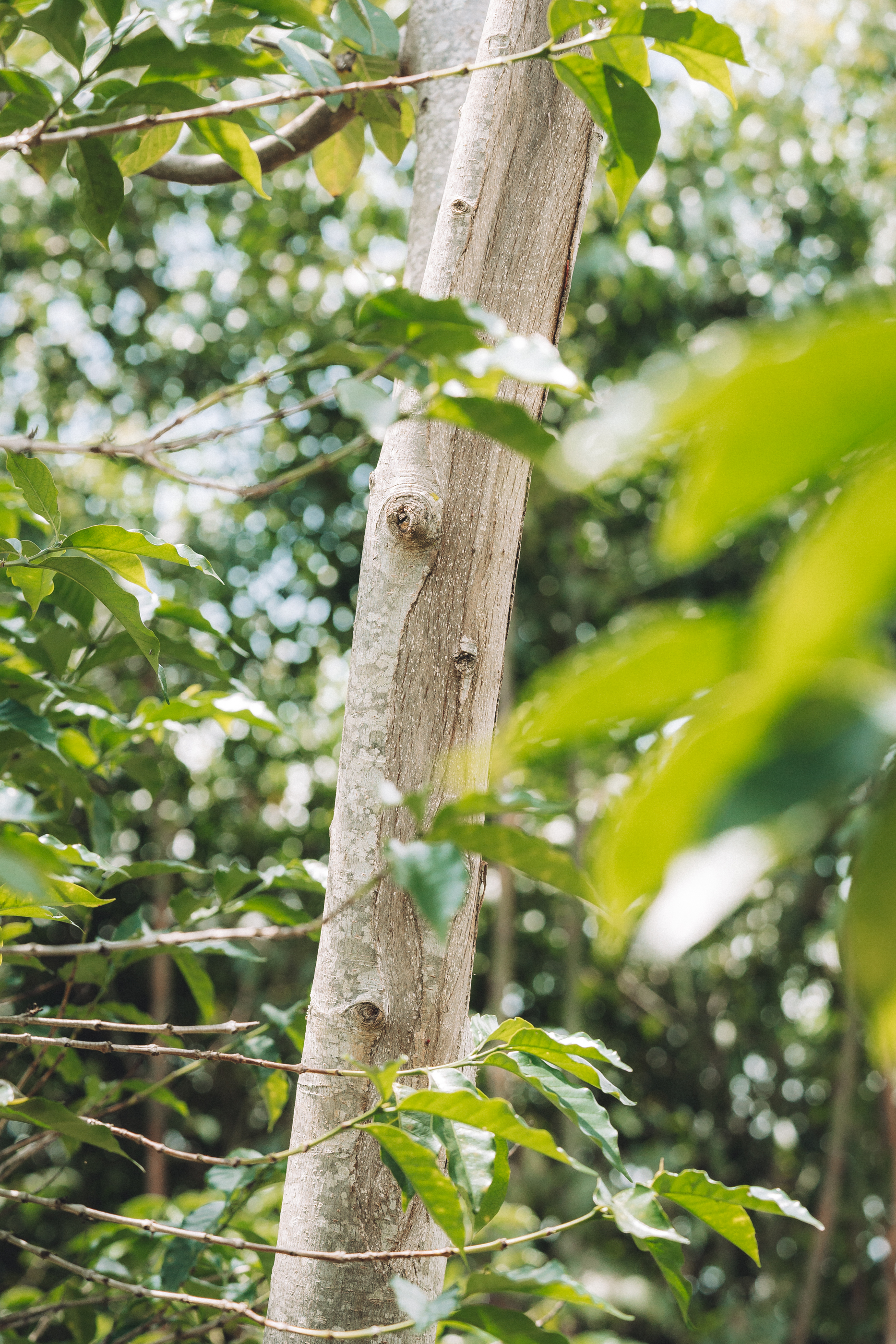
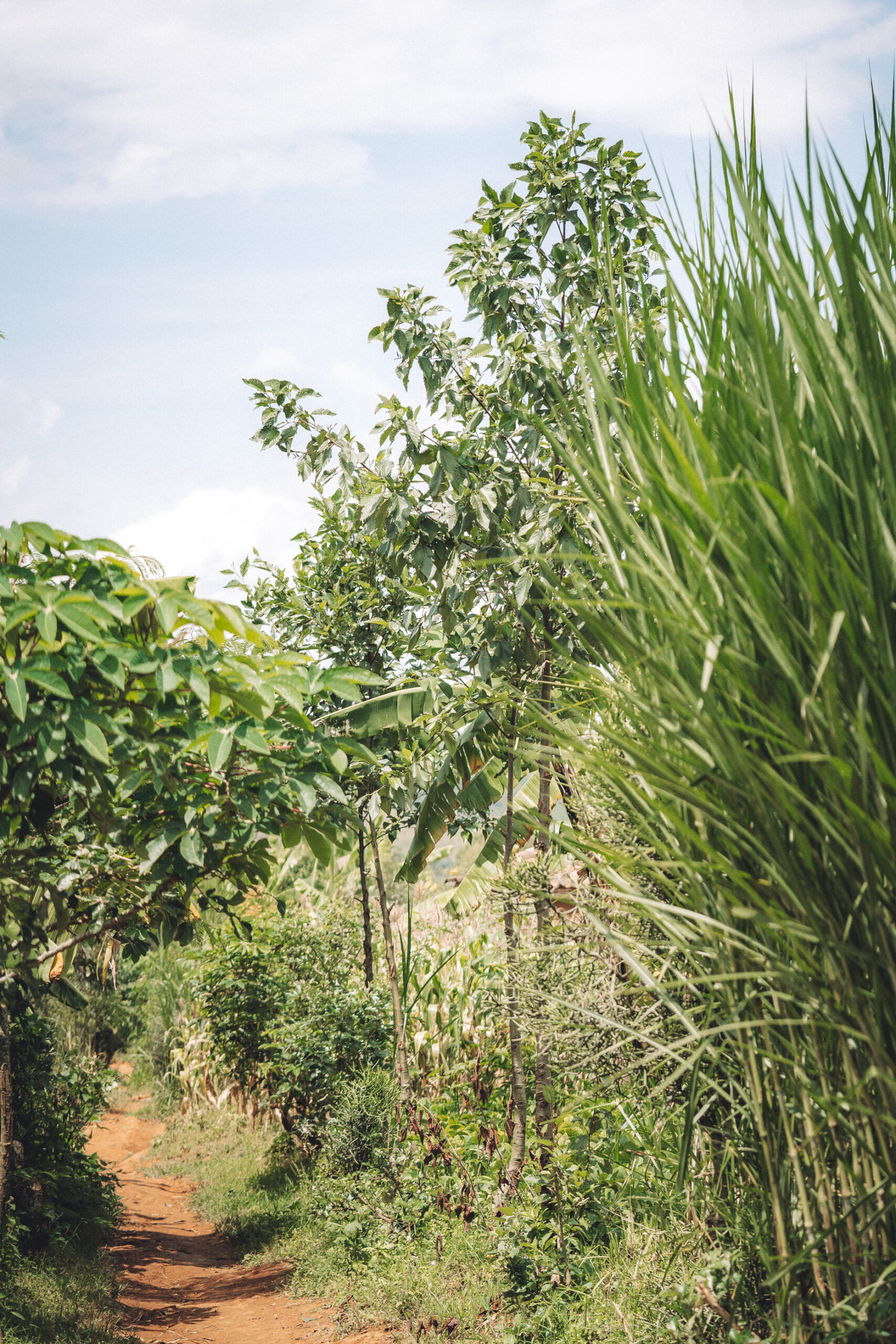
Our hope is to see life in the Kibira Forest renewed, restored, and extended. Green belts of trees planted out from the Kibira wrapping around every hill where coffee is grown, binding precious soil, and protecting natural water sources. Indigenous and agroforestry trees rooted in every coffee farmer’s plantation will encourage the practice of shade-grown coffee.
WHAT HAVE WE ACHIEVED SO FAR?
Since 2018, we have distributed 322,000 indigenous and agroforestry trees to 2,700 farmers. This has created a total of 406 jobs (employing 70 women). Our vision is for all 5,500 coffee farmers who we work with to be included in the Trees For Kibira activities. The goal for 2020 is leaning towards extending our reach from 2,700 to 3,500 coffee farmers.
What we’ve learned from nearly a decade’s worth of work in Burundi is that community is everything. Even with all the money in the world, we wouldn’t be able to create a long-lasting impact without the support of our Burundian community.
HOW HAVE WE DONE IT?
We’re working hard to build networks that include local government, village leaders, and conservation networks to create the impact we know Burundi needs. Planting trees is not going to solve climate change, but it can help to mitigate its impact. The statistics are startling. Climate change will reduce the global area suitable for coffee by about 50% (Bunn 2015).
Added to that, the livelihoods of 100 million people depend on coffee (Pendergrast 1999), many of whom are vulnerable to climate change (Baca et al. 2014). Trees For Kibira is focused on seeing nutrients sewn back into Burundi’s soil for the sake of healthier coffee trees, rejuvenated farms, and a sustainable coffee growing future. We would like our neighbors to be empowered to grow their coffee for generations to come and to protect their land against the effects of the changing climate. We believe the impact will be great.
Thank you for being a part of Trees For Kibira and standing alongside us.